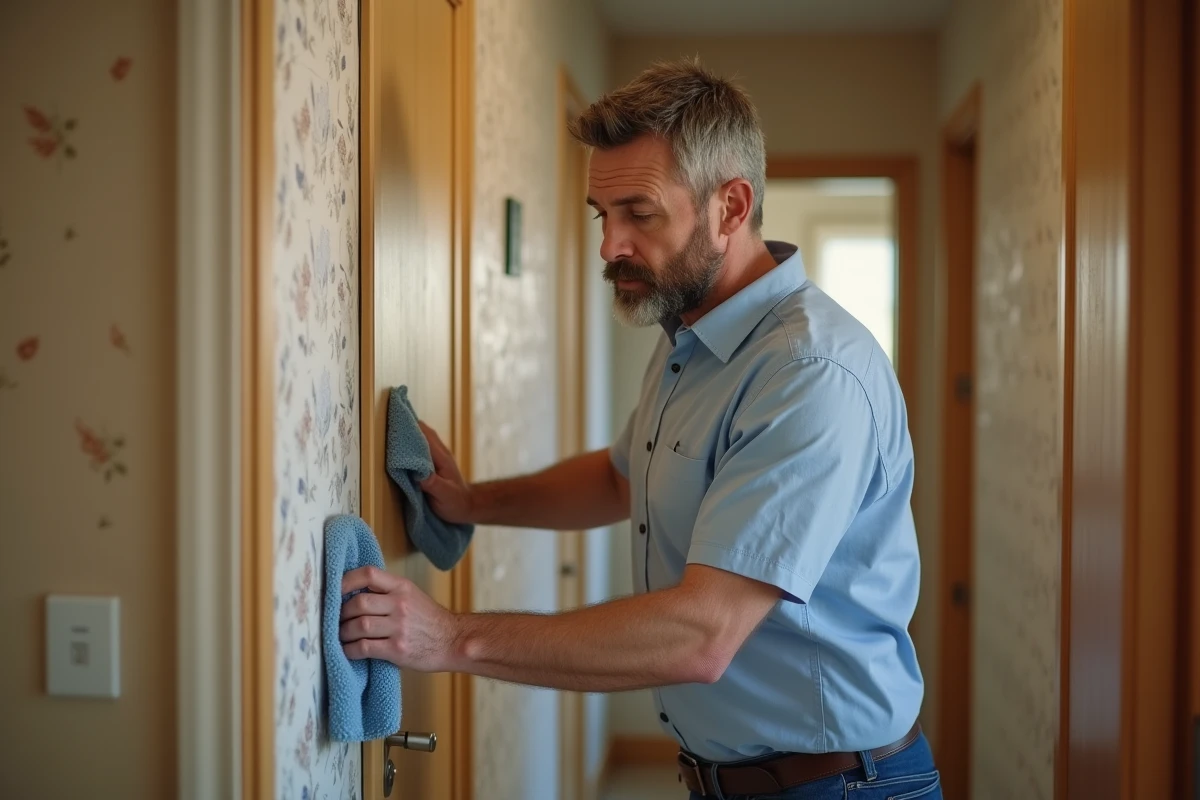
Completely erasing all traces of fingerprints on an object is less of a myth than a true technical challenge. Detectives, laboratories, and forensic science know this: a fingerprint, even seemingly erased, can persist for weeks, sometimes months, in the invisible details of a material.
Fingerprints resist simple rinsing, ambient temperature, and a hasty wipe. Even if the surface appears clean, greasy particles remain lodged in the tiniest crevices. Glass and stainless steel, in particular, are real traps: they retain the memory of human contact much longer than a rough or porous surface.
Using isopropyl alcohol or a specialized cleaner is not always enough. A precise method must be adopted, patience must be armed, and appropriate tools must be used to hope to erase even the last traces, or even render an object undetectable.
Fingerprints: why are they so tenacious on everyday objects?
In laboratories as well as during investigations in Marseille or elsewhere in France, the observation remains the same: fingerprints cling tenaciously to everyday objects. It’s not just a matter of negligent cleaning. Human skin constantly leaves deposits of sweat and natural oils, fatty acids, amino acids, and mineral salts that embed themselves in the slightest reliefs of metallic or glass surfaces. Invisible, these deposits anchor themselves and resist conventional erasure attempts.
A stainless steel surface retains the trace of a simple contact, and heat or humidity further strengthens this fixation. Studies have shown: even after several cleanings, there are still sweat and oil deposits at the heart of the material. Handles, glasses, tools… every everyday object becomes a silent reservoir of biometric information. It’s no coincidence that fingerprint analysis, commonly conducted by forensic science, allows for the identification of a person long after the initial contact: it only takes a fingerprint poorly erased to reveal a name, sometimes months later.
The chemical composition of fingerprint traces explains their resistance. Organic molecules adhere strongly to smooth surfaces, and standard household products struggle to dissolve them. To erase fingerprints on an object, it is better to understand the nature of these deposits and rely on tested methods, such as those presented in the file ‘Erase fingerprints: which product to choose for effective removal? – Expertise Entreprise’. Improvised solutions often fail against the finesse of current trace analysis techniques.
What methods and products to choose for effectively erasing traces?
To counter the resistance of fingerprints on an object, precision must be prioritized. Smooth surfaces such as stainless steel, glass, or certain alloys require adapted techniques so that the forensic police can no longer exploit anything. Hasty gestures have no place here.
Chemical and mechanical methods
Here are the main solutions to consider for effectively eliminating traces:
- Soapy water often serves as a first step: carefully rub the surface with a microfiber cloth, then dry without leaving traces. But this gesture is not always enough, as residual fingerprints may remain embedded.
- For persistent traces, a mixture of baking soda and vinegar allows for deeper cleaning. The chemical reaction between these two products helps dissolve sweat and natural oils, reaching difficult-to-access micro-reliefs.
- Diluted bleach (sodium hypochlorite), used cautiously, proves formidable on weapons and metallic surfaces, especially when the stakes are judicial. Handle with care, as the product is powerful.
Equipment and precautions
Protect yourself with latex gloves to avoid leaving new traces during cleaning. Distilled water is recommended to avoid adding mineral deposits that could hinder erasure. Every detail counts.
Success comes from repetition and meticulousness: multiply the passes, change angles, vary gestures. Cleaning each object, from kitchen items to technical tools, requires method and constant attention, especially if one wants to avoid any subsequent scientific analysis.
Practical tips and tricks for a streak-free clean, simply
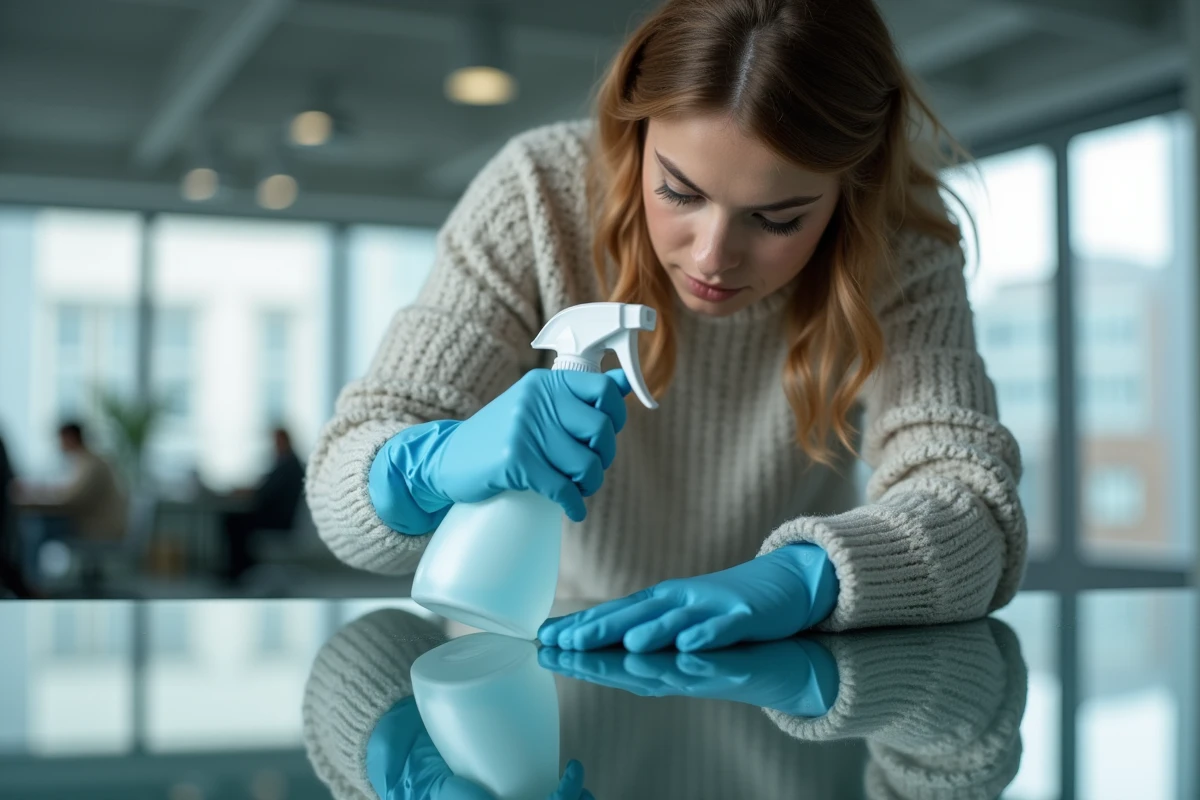
Erasing a fingerprint is not just about hastily wiping with a cloth. The type of surface dictates its own method. Whether it’s stainless steel in the kitchen, a tool, or an accessory, every step matters. Set yourself up in a clean environment, limit drafts, and consistently wear latex gloves. The skin or sweat residues, feared by specialists, often remain hidden in the tiniest corners.
Recommended cleaning routine
Here are the steps to follow for a flawless result:
- Start with a microfiber cloth and distilled water to remove dust and initial dirt.
- Continue with a mixture of baking soda and vinegar to dissolve sweat and natural oil deposits.
- On a metallic surface, a quick pass of diluted bleach eliminates stubborn traces without risking damage to the object.
In analyses conducted in France, in Marseille or elsewhere, experts agree: repeating the steps, using a clean cloth at each phase, and crossing movements increases effectiveness. A tip from the new fingerprint technique also involves using raking light to highlight the last traces. Stay attentive: a quick contact, a simple oversight, and an exploitable fingerprint could remain.
A perfectly cleaned object leaves only a mineral silence behind, indifferent to analyses and gazes. But it only takes a moment of inattention for the digital memory to reappear unannounced.