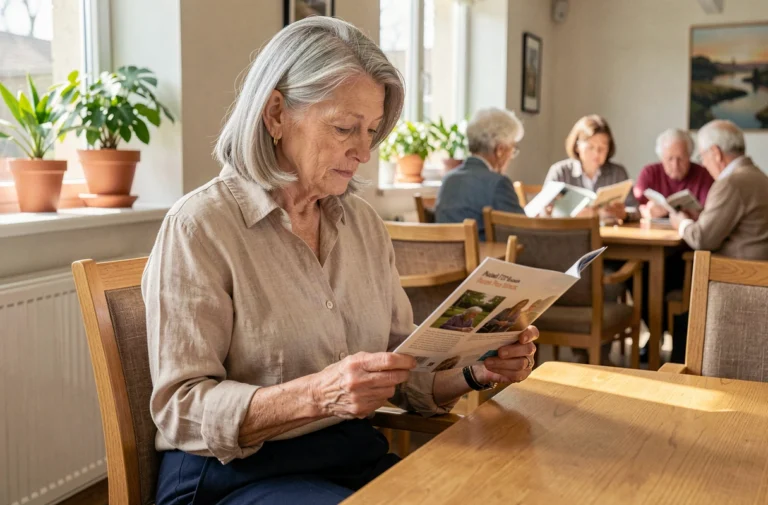
Your free time can sometimes feel like a void you try to fill by scrolling on your phone. Finding a hobby you can stick with means starting with your real-life constraints: your available budget, how much energy you have, and whether you want time alone or human connection.
A June 2025 study by OpinionWay for the Harmonie Mutuelle corporate foundation highlights that sedentary behavior linked to time spent sitting poses a public health risk. Choosing a leisure activity, however modest, can therefore do much more than simply entertain you.
Choose a hobby that fits your budget and energy level
Most lists of ideas offer dozens of activities without asking the obvious first question: do you have €5 or €50 a month to spend on a hobby? Are you exhausted after work in the evening, or do you have more time on weekend mornings? A hobby you can stick with is one that fits into your daily life, not an ambition you abandon after three weeks.
Three criteria can help you quickly narrow down your options.
- The actual monthly cost, including equipment, transport, and any membership fees. A free activity you do regularly is better than an expensive class you try just once.
- The energy required. A thirty-minute bike ride is not as demanding as a climbing class. Matching the intensity to your energy levels throughout the week helps you avoid giving up.
- Your need for social connection. Some people want peace and quiet after days spent in meetings. Others, working remotely, are mainly looking for a group, a conversation, or a reason to leave the house.
Among the leisure ideas from 11 Le Magazine en ligne, you’ll find suggestions organized by theme to help you narrow down your choices based on your interests and budget.

Free or nearly free activities: libraries, walking, and volunteering
When money is tight, the usual instinct is to stay home. Have you noticed that libraries and media libraries offer much more than books? The French Ministry of Culture says they host exhibitions, festivals, and a wide range of cultural events. A library can become your regular weekly outing, for free or next to nothing.
Walking is the most accessible form of physical activity. No special equipment, no registration, no set schedule. You can go alone to unwind or with others to connect. Given the risk of sedentary behavior documented by the Harmonie Mutuelle corporate foundation, adding a regular thirty-minute walk to your week is already a meaningful step.
Volunteering as a hobby in its own right
Giving a few hours a month to a local organization turns free time into time well spent. Young people’s regular involvement in volunteering is well documented, and people of all ages take part. Volunteering combines activity, social connection, and a sense of purpose without requiring you to spend money.
Sports, cultural, and charitable organizations often recruit volunteers for one-off assignments. You can try it out, meet people, and then decide whether to continue.
Creative hobbies and games at home: keep your mind busy without going out
Winter evenings and rainy weekends call for indoor activities. The trap is to default to screens every time. A creative hobby at home can engage your mind in a different way.
Learning a simple craft technique (watercolor, crochet, bookbinding) requires only a modest initial investment. Free online classes are available for most of these subjects. The pleasure comes from seeing your progress: after a few sessions, you’ll have made something tangible.
Board games and online games
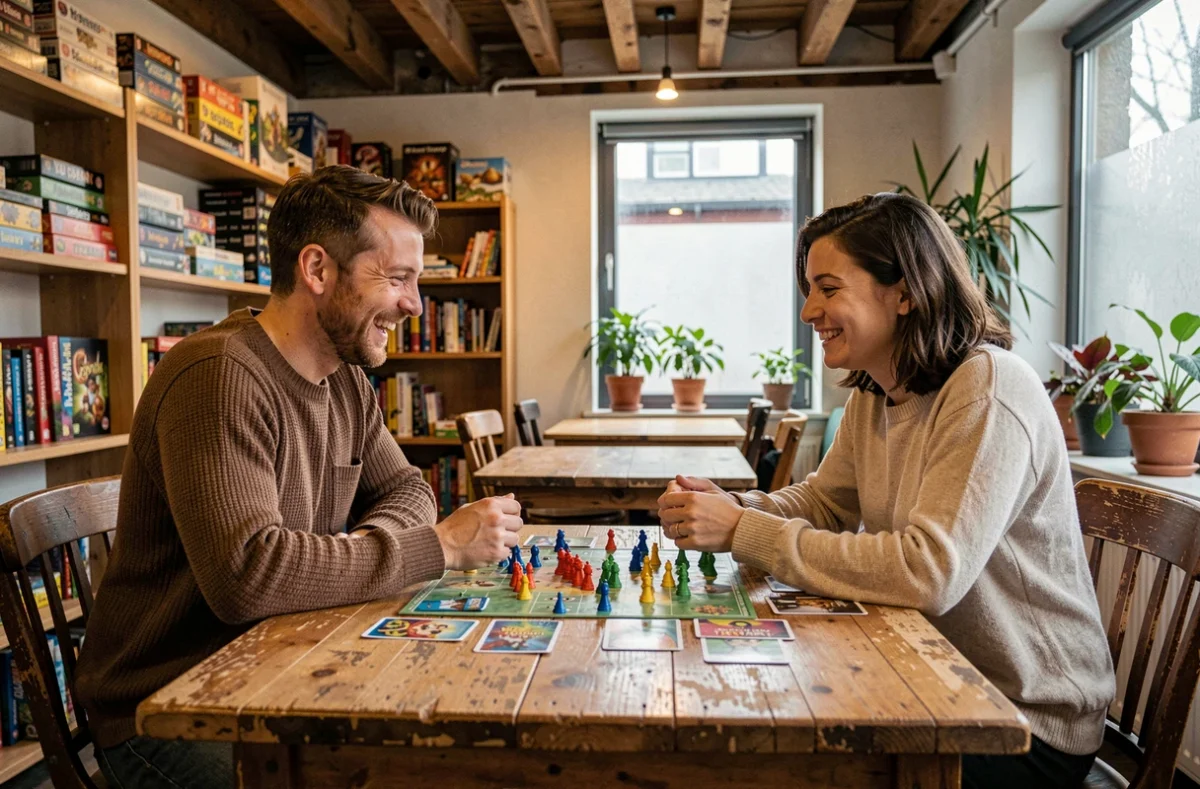
Board games are enjoying a resurgence because they bring people together around a table. They’re just as suitable for families as they are for groups of friends. A cooperative game, for example, removes the competition and strengthens the bond between players.
Online games offer an alternative when you’re on your own. Some platforms offer group games with strangers, which can lead to regular interactions. Online games are a useful alternative to passive scrolling, as long as you set a time limit.
Cultural outings: make choices that fit your actual budget
A 2026 summary of the Ministry of Culture’s study on the pass Culture shows that books and cinema account for a significant share of young people’s spending, while live performances make up a smaller share. This imbalance is no coincidence: cinema and reading are seen as accessible, while theater and concerts can seem more expensive or intimidating.
Trying an unfamiliar outing, such as a contemporary dance performance or a chamber music concert, doesn’t necessarily require a big budget. Discounted tickets, free outdoor performances, and local festivals make it possible to explore a wider range of cultural events without overspending.
Why mixing up your outings changes how you experience your free time
Alternating between a familiar activity (cinema, reading) and something less usual (an improvisation workshop, a nighttime guided tour) helps you avoid falling into a rut. Each new experience creates a distinct memory, and those memories can make time feel as though it’s passing more slowly—in a good way.
Free time isn’t measured by the hours you accumulate. It’s measured by what you get out of them. Three well-chosen activities are better than a list of twenty ideas you never try. Start with your constraints, try just one new activity this month, and see if it sticks.