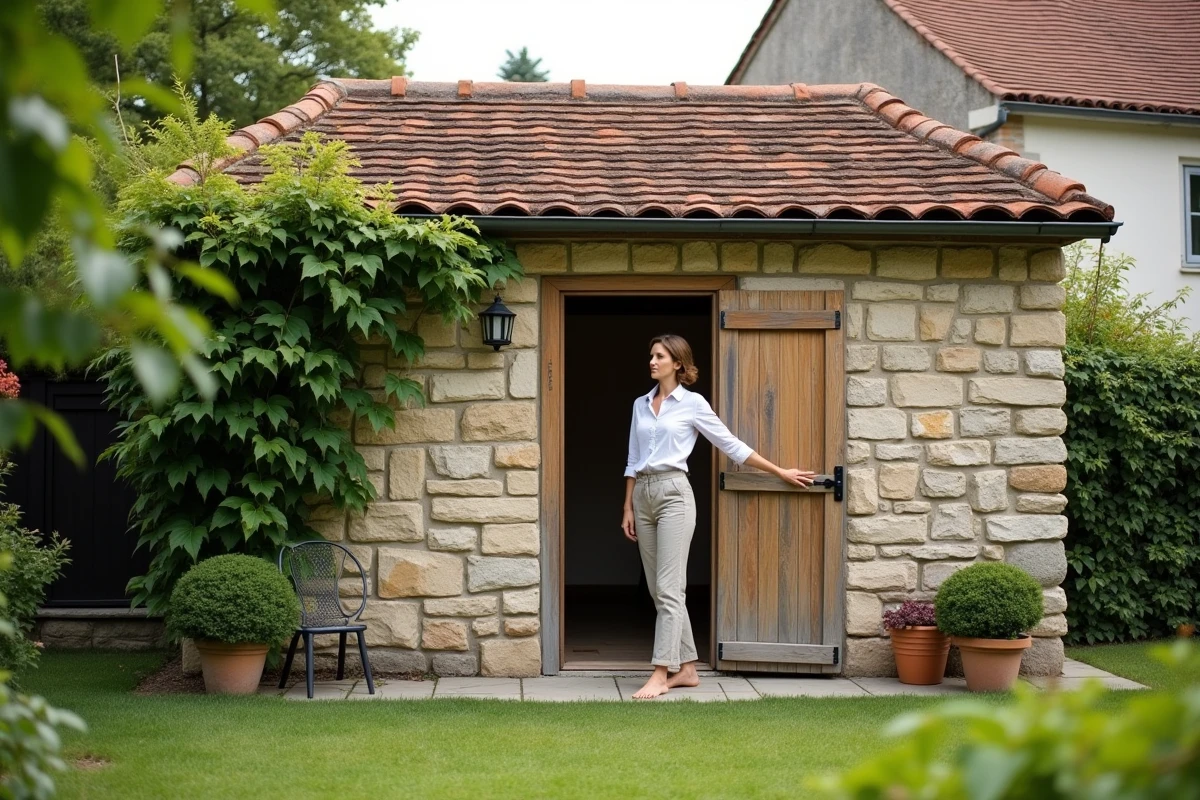
In a real estate transaction or when subscribing to a home insurance contract, the terms “annex” and “dependency” come up repeatedly. However, their usage varies from one interlocutor to another: notary, insurer, urban planning service at the town hall. The ambiguity surrounding these two concepts has direct repercussions on the declared living area, the amount of the development tax, and the coverage provided by your insurance.
Development tax and annexes: what local regulations have changed since 2023
Since 2023, several municipalities and intercommunalities have integrated annexes and dependencies into their taxation regulations via the development tax. The rates vary according to the declared use: parking, storage, or habitable annex. The National Federation of CAUE reports in its 2024 overview of local urban planning regulations that some communities apply a higher rate to annexes convertible into housing, such as an independent studio at the back of the garden.
This differentiation aims to limit what the FNCAUE calls “invisible densification”: constructions declared as simple dependencies but gradually converted into living spaces. For the owner, the classification made at the time of filing the preliminary declaration or building permit directly determines the amount of tax owed.
A closed garage classified as a dependency and an artist’s studio classified as a habitable annex will not be taxed in the same way, even if their footprint is identical. The difference between annex and dependency on Magazine Immobilier clarifies this point of local taxation that escapes many property owners.
Living area and Carrez law: where the dependency ends
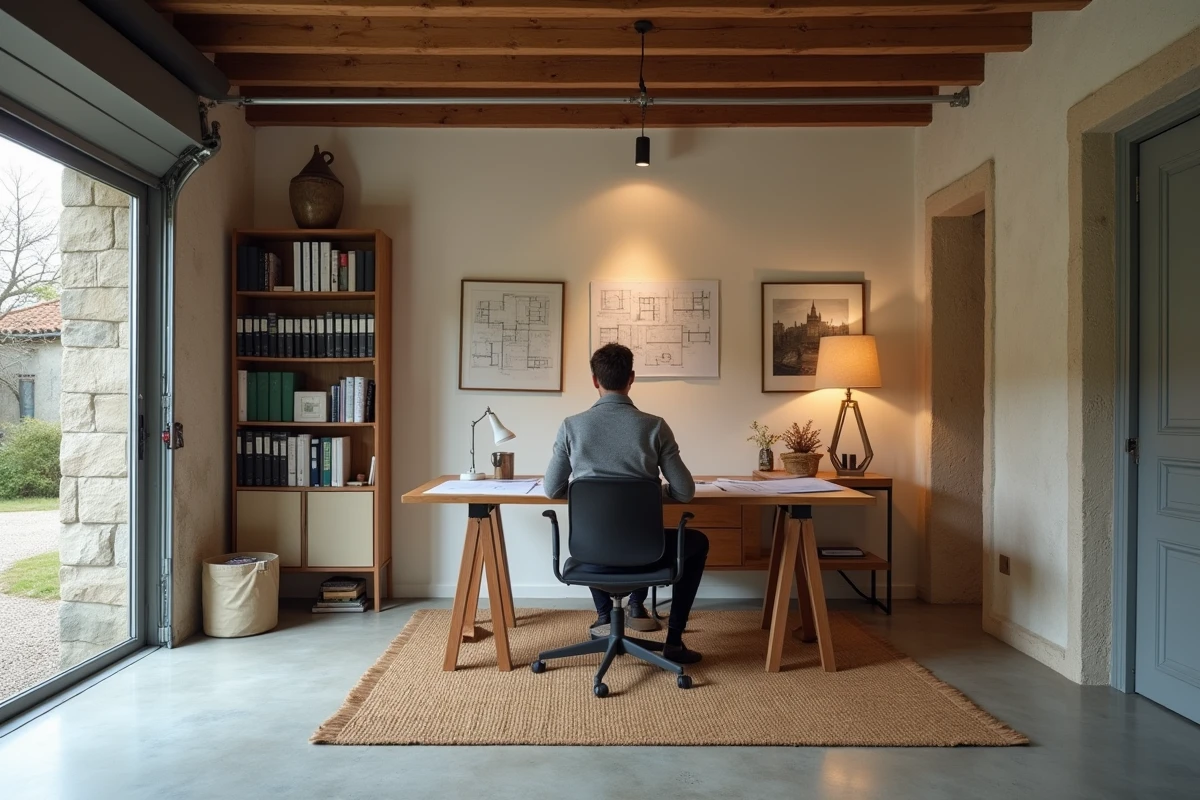
The DGFiP reminds in a practical note that dependencies are not counted in the living area of a dwelling. Garage, cellar, unfinished basement, shed: these spaces remain outside the calculation, whether it concerns the Carrez law (co-ownership) or the floor area used in urban planning.
An annex, on the other hand, can be included in the calculation if it meets the habitability criteria: ceiling height greater than 1.80 m, insulation, direct or covered access from the main dwelling, connection to networks. The boundary seems clear on paper. In practice, feedback from the field diverges on this point, particularly for rooms located above a garage or closed verandas.
The “habitable potential” valued by buyers
The 2024 Hellio barometer on energy renovation of individual houses notes that closed, unheated dependencies that are easily heatable are increasingly perceived by buyers as habitable potential. This implicit valuation does not change the official living area, but it weighs in the negotiation of the sale price.
An isolated single-story workshop or a dependency connected to electricity and water represents, in the eyes of a buyer, a convertible space. The RE2020 reference framework, applicable to new constructions, accentuates this trend: design offices now include these volumes in their global renovation recommendations.
Home insurance: coverage and limits according to classification
The distinction between annex and dependency conditions the coverage of your home insurance contract. Most multi-risk contracts cover dependencies located at the same address as the main dwelling, but under reduced compensation limits compared to the main building.
- A garage or garden shed classified as a dependency generally benefits from a capped theft and fire guarantee, often lower than that of the dwelling
- A habitable annex (studio, converted office) may require an extension of coverage or a specific contract, especially if it is rented to a different tenant
- Dependencies located at a different address from the main property are often not covered without an amendment to the contract
Checking the classification of each space in your lease or insurance contract avoids unpleasant surprises in the event of a claim. A tenant storing equipment in a dependency not declared in the rental contract risks not being compensated.
Urban planning and construction: preliminary declaration or building permit
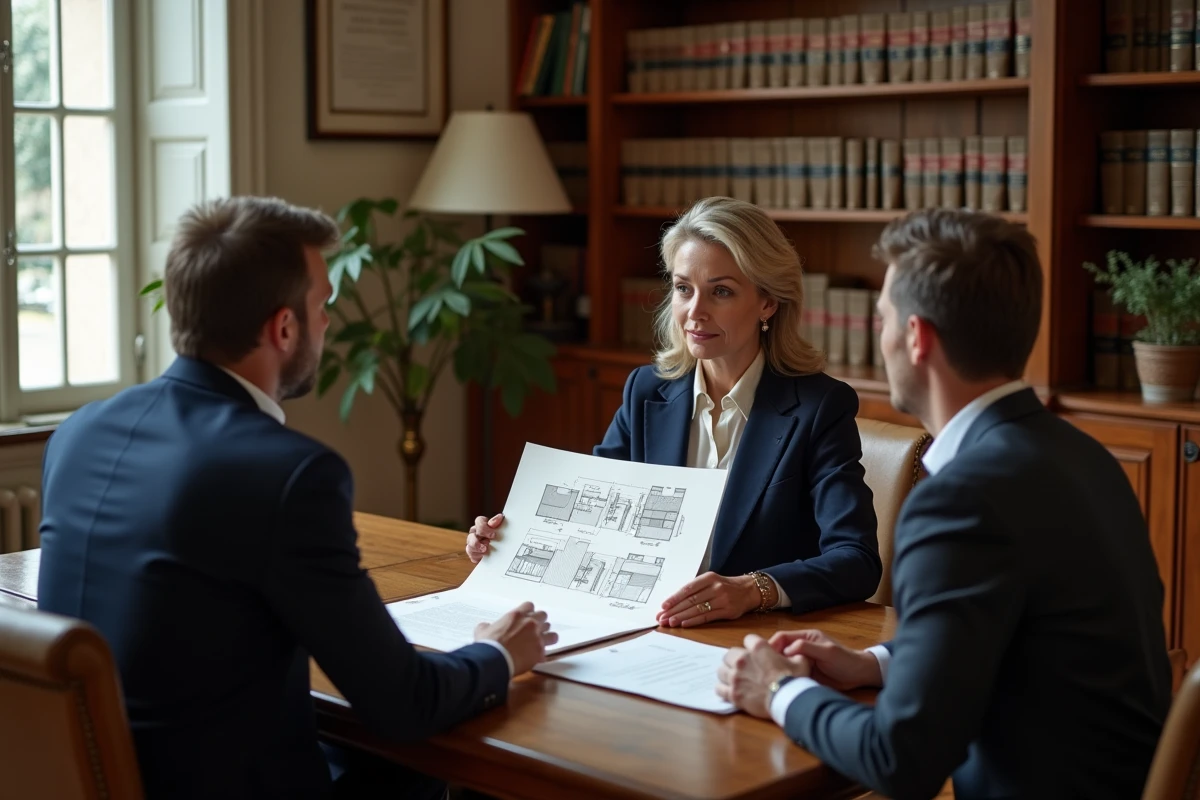
Transforming a dependency into a habitable annex, or building a new annex, falls under distinct urban planning procedures. The threshold of created floor area determines the applicable regime.
- Below a certain floor area threshold, a simple preliminary declaration of work is sufficient for a garden shed, garage, or light extension
- Beyond that, a building permit is required, possibly involving an architect depending on the total area of the property after work
- Changing the use (from storage to habitation) requires specific authorization, even without structural modification
The local urban planning plan (PLU) of your municipality may also impose specific setback, height, or footprint rules for annexes and dependencies. An undeclared change of use exposes the owner to compliance imposed by the town hall, or even to a requirement to restore the property.
The trap of post-facto regularization
Regularizing a transformed dependency without authorization remains possible, but the available data do not allow for a conclusion that the procedure systematically succeeds. Some municipalities refuse regularization if the work contravenes the PLU in force at the time of the request, and not at the time of completion.
The initial classification of the space, as it appears on the building permit or completion declaration, remains the reference document for the administration. Any change of use must be declared before being carried out, under penalty of complications during resale or a tax audit. A property whose part of the surfaces has been reclassified without formalities will see its value disputed by the notary at the time of signing.